Centuries of Steel, Forged into Perfection
Explore the Legacy
Featured Products
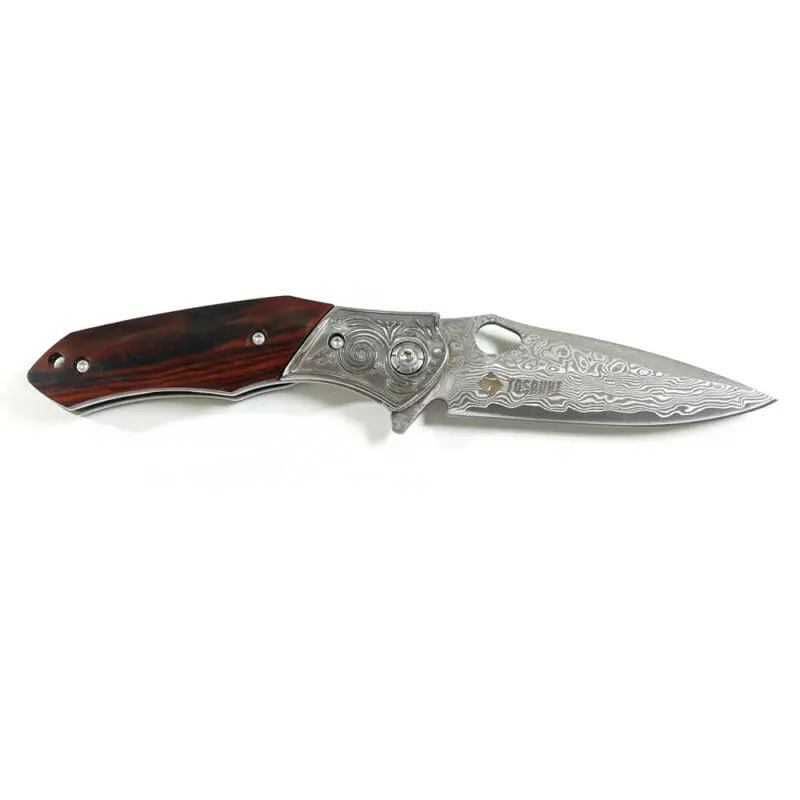
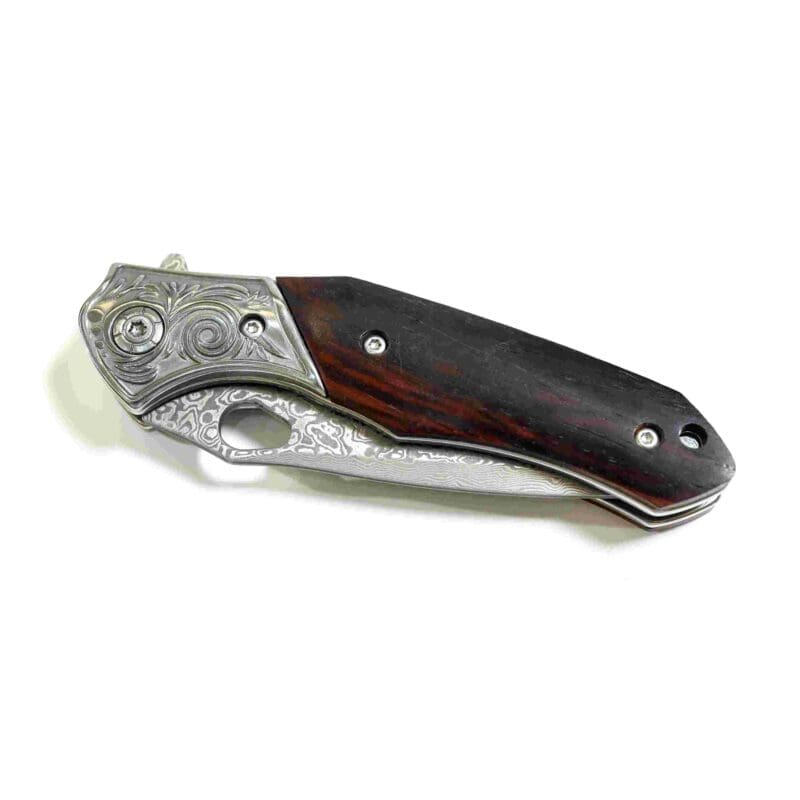
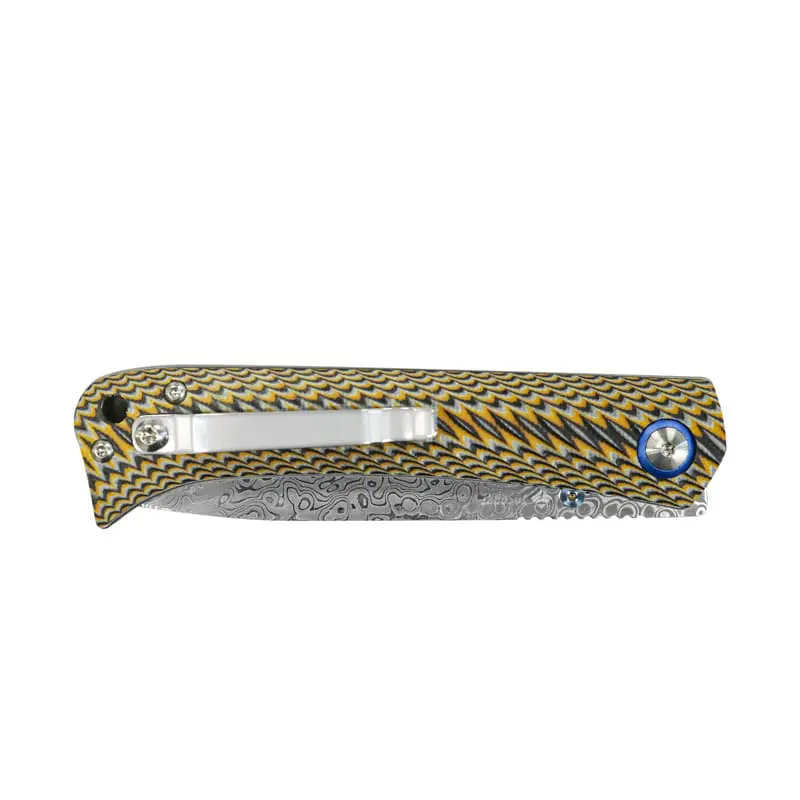
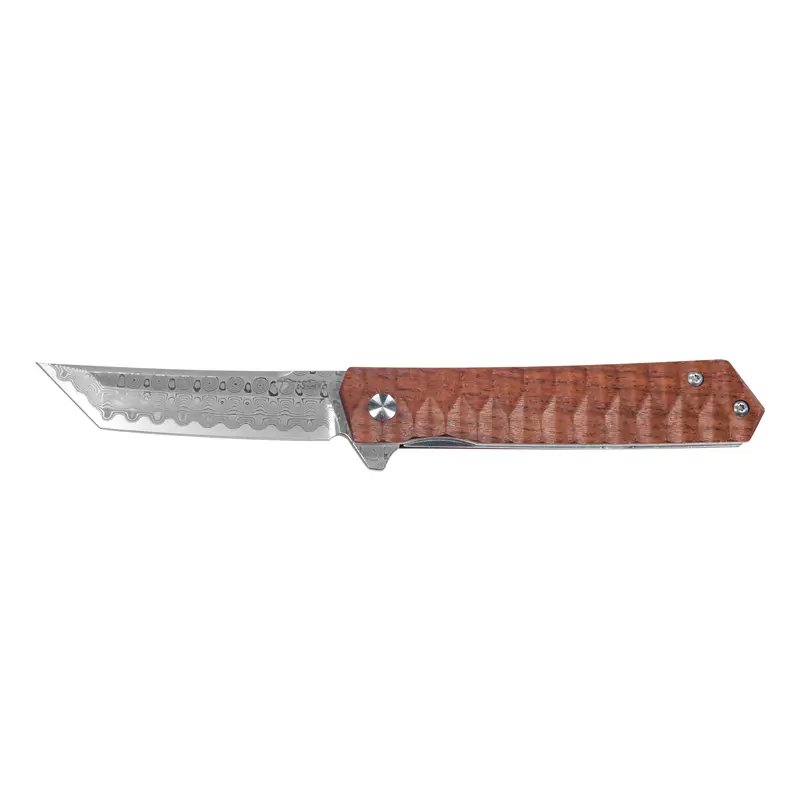
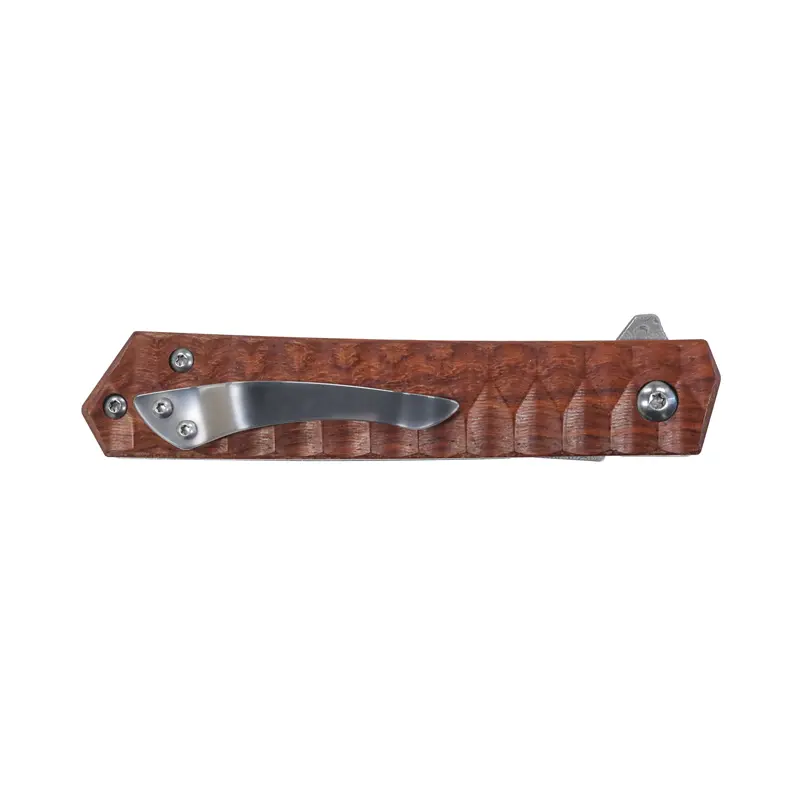
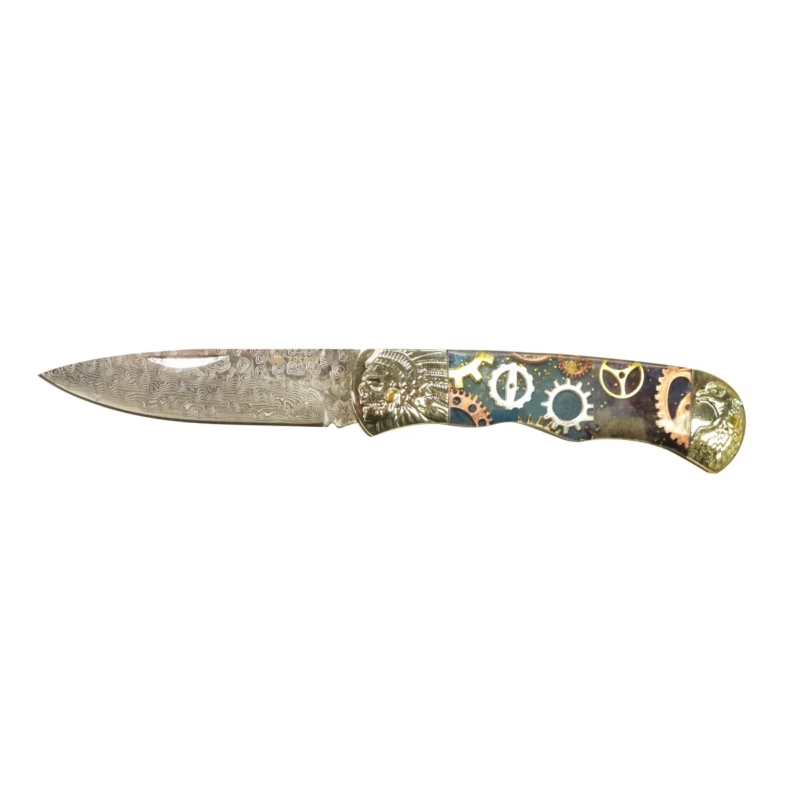
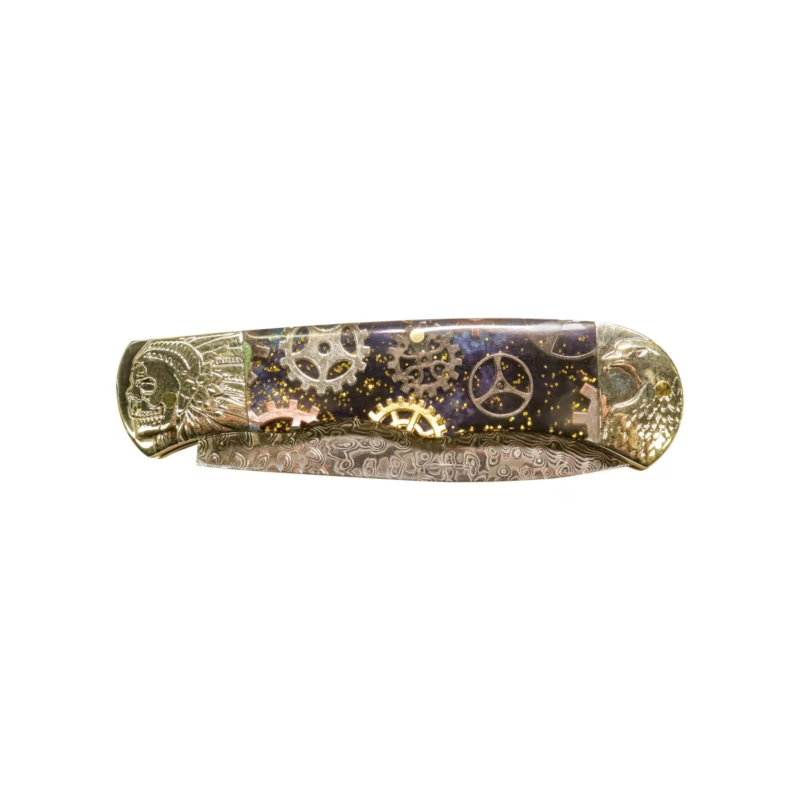
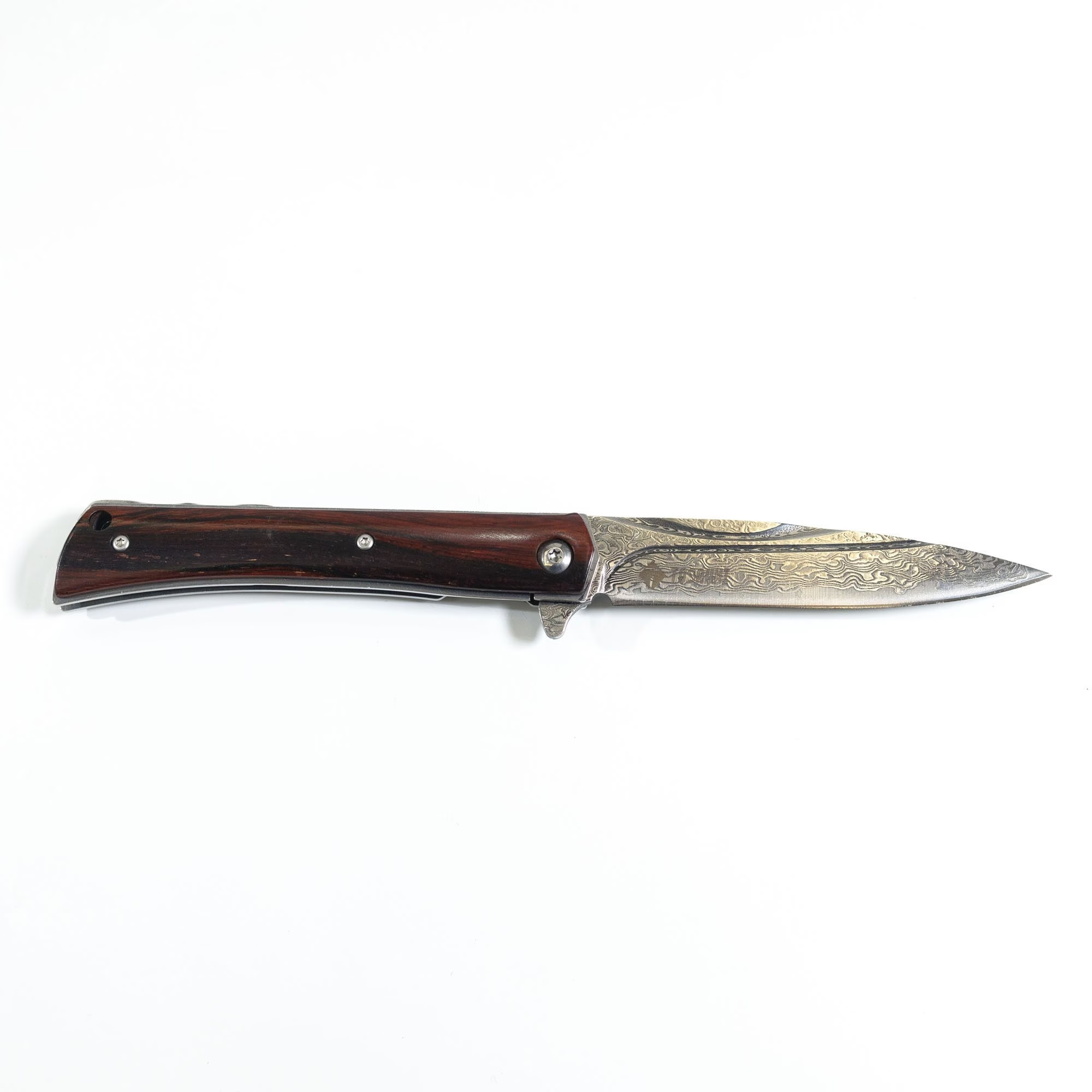
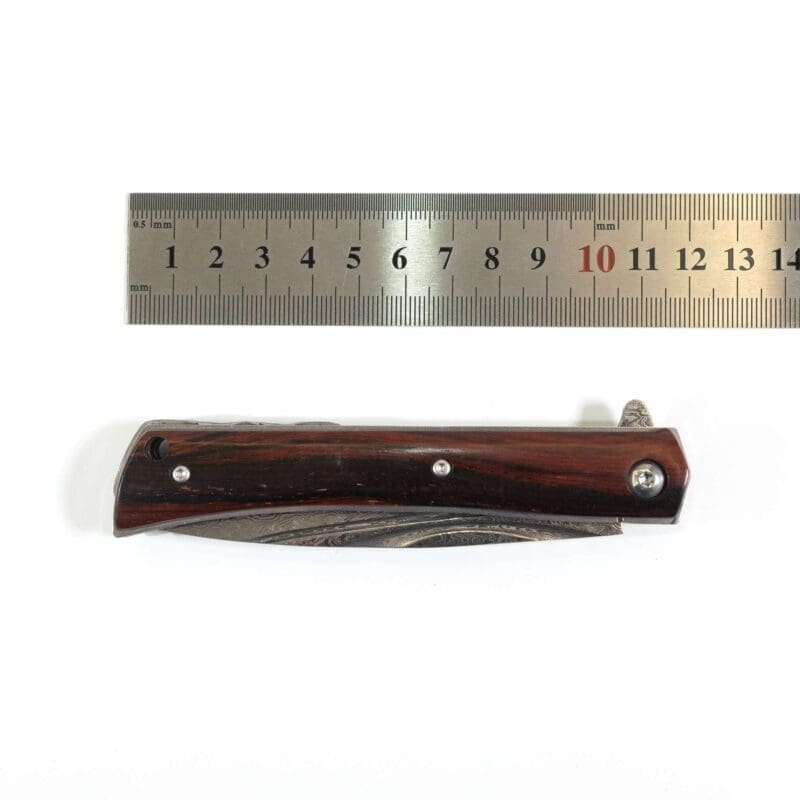
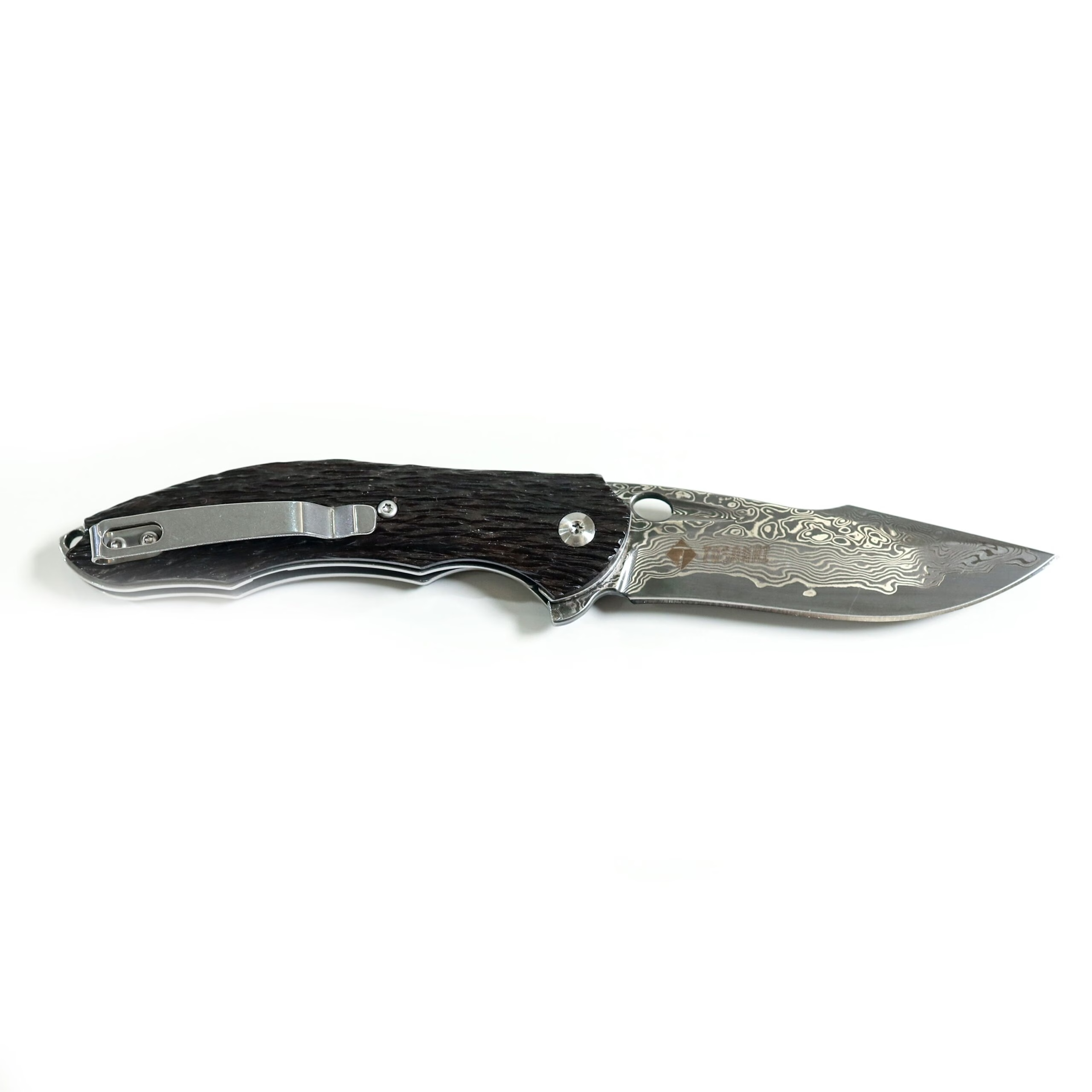
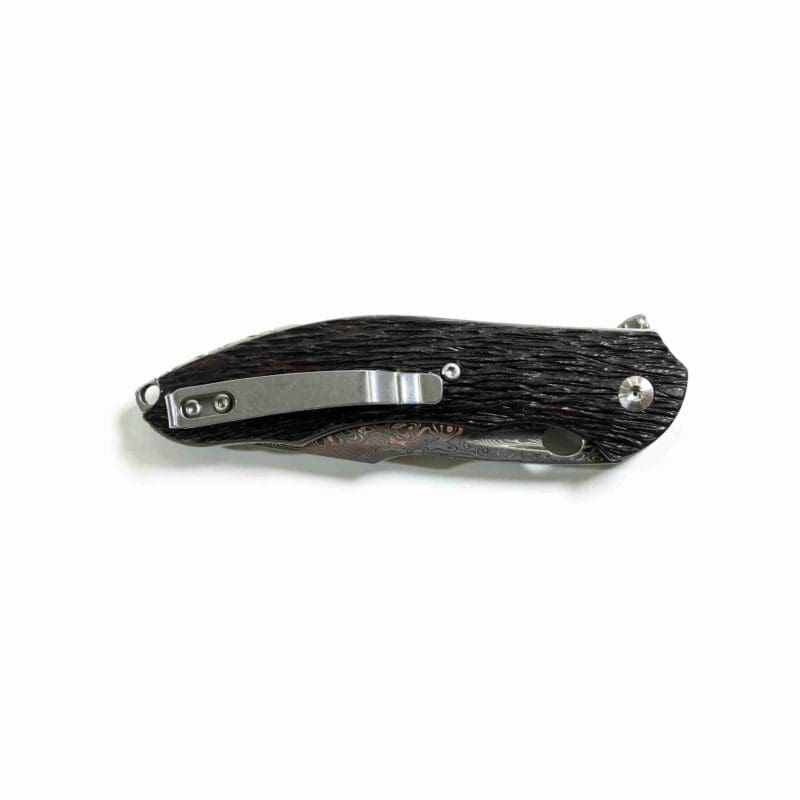
TOSAHWI Cuchillo plegable de acero de Damasco hecho a mano con virola grabada y mango de palisandro
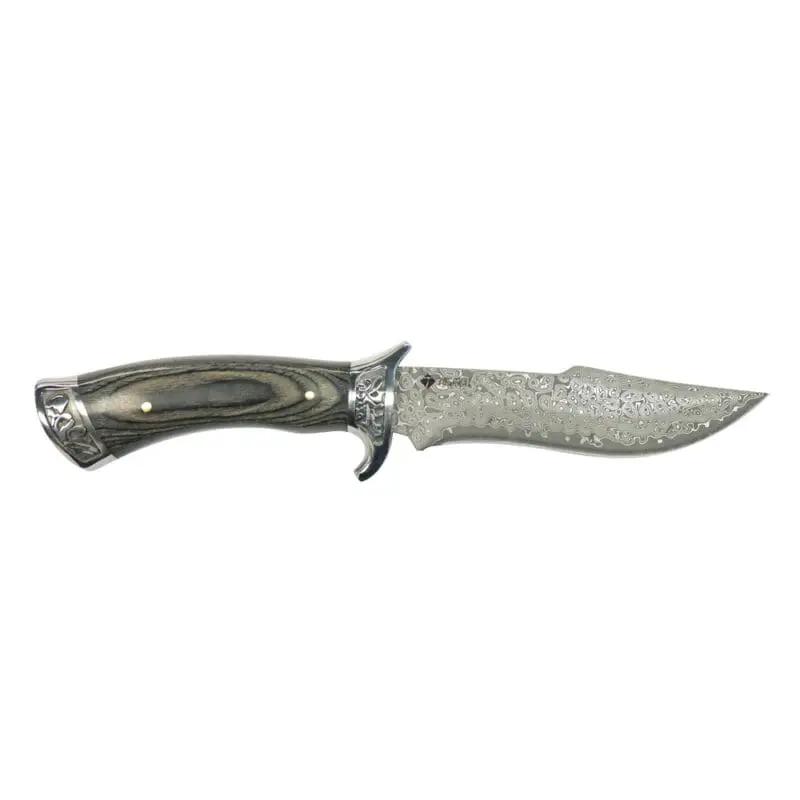
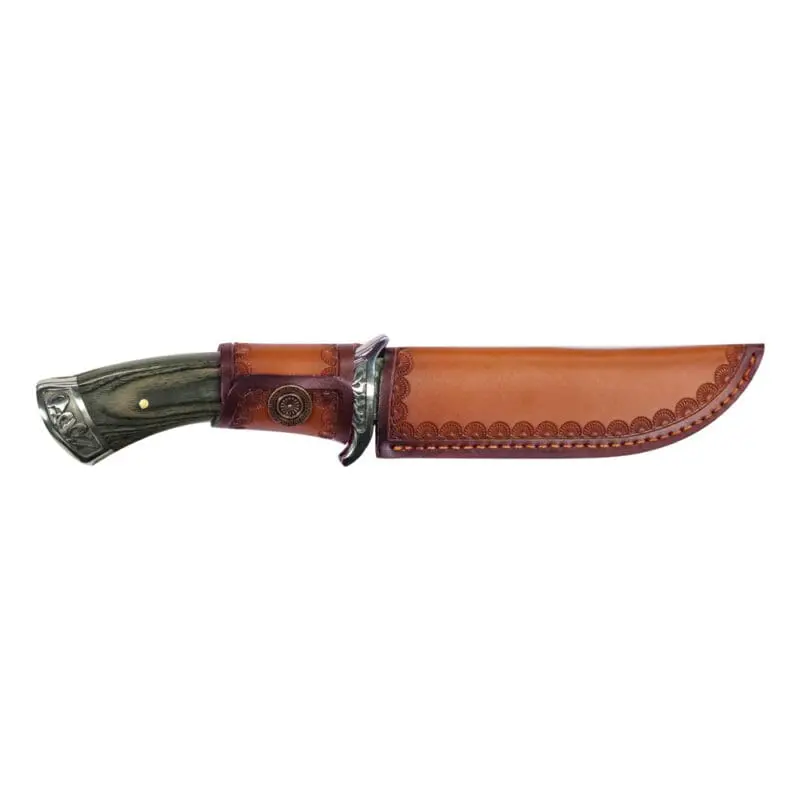
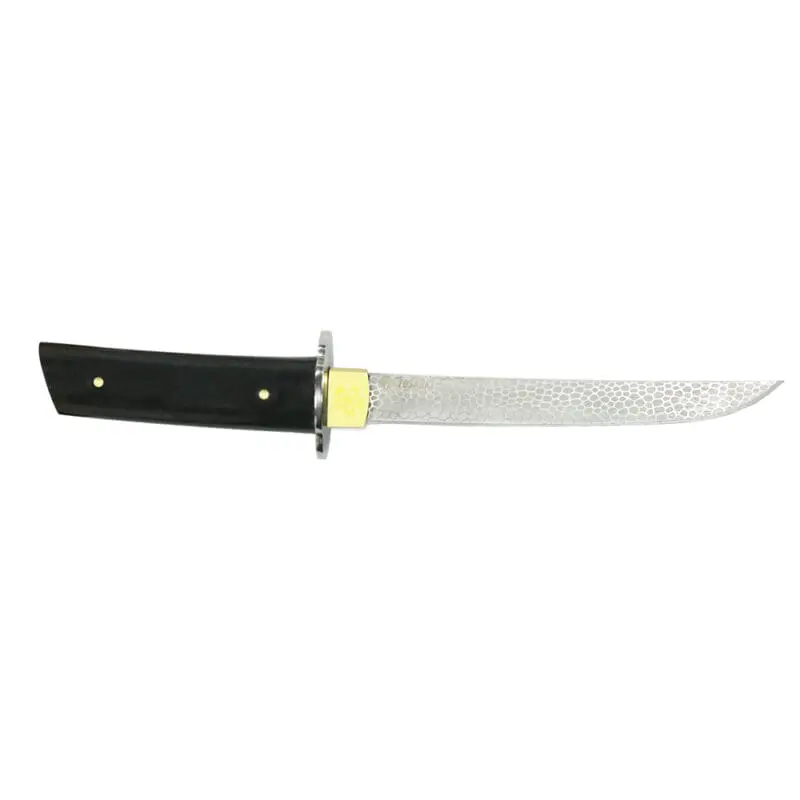
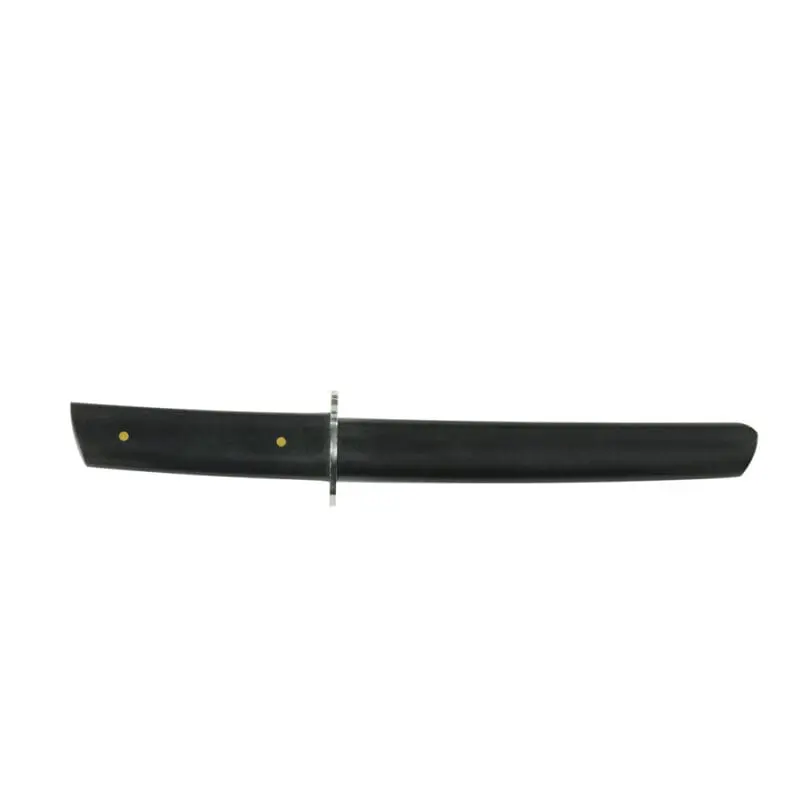
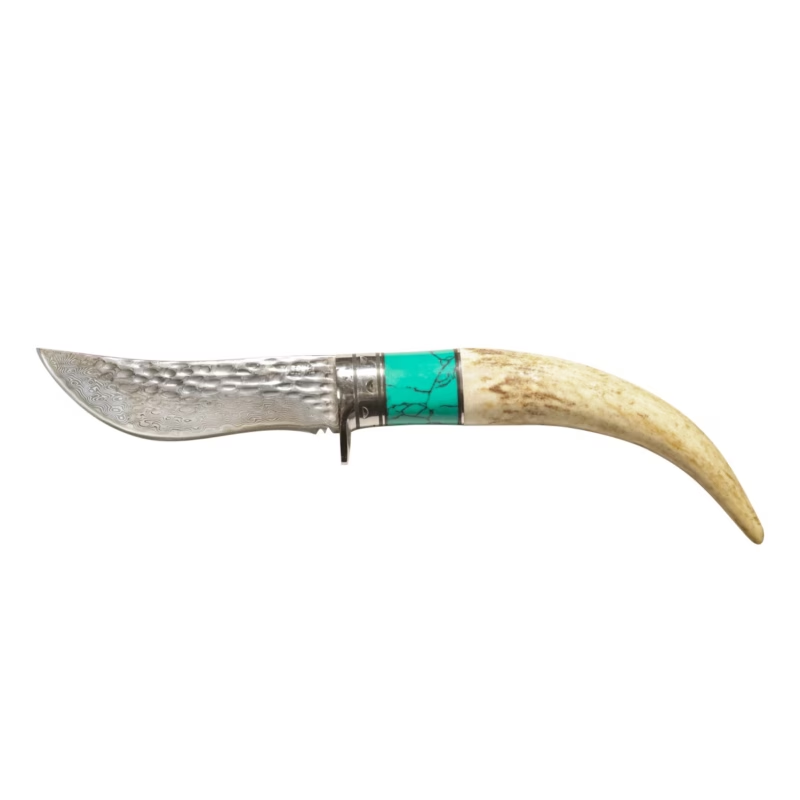
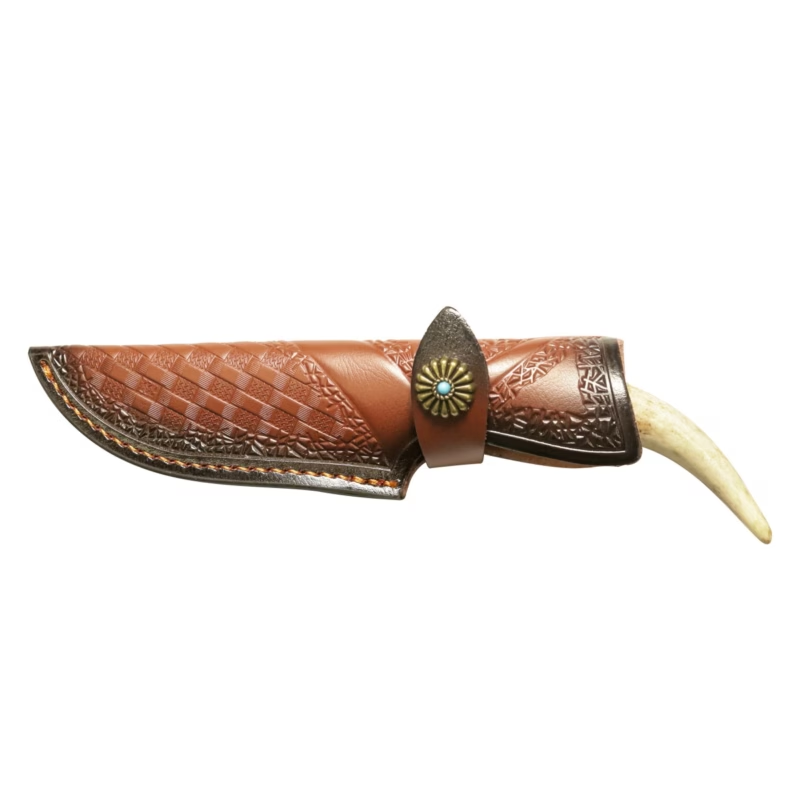
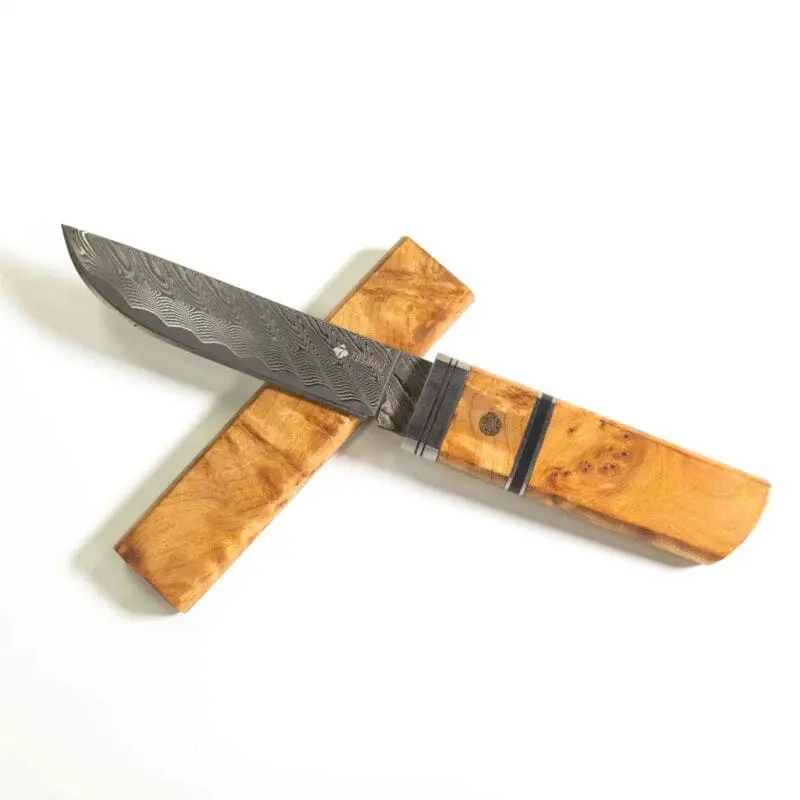
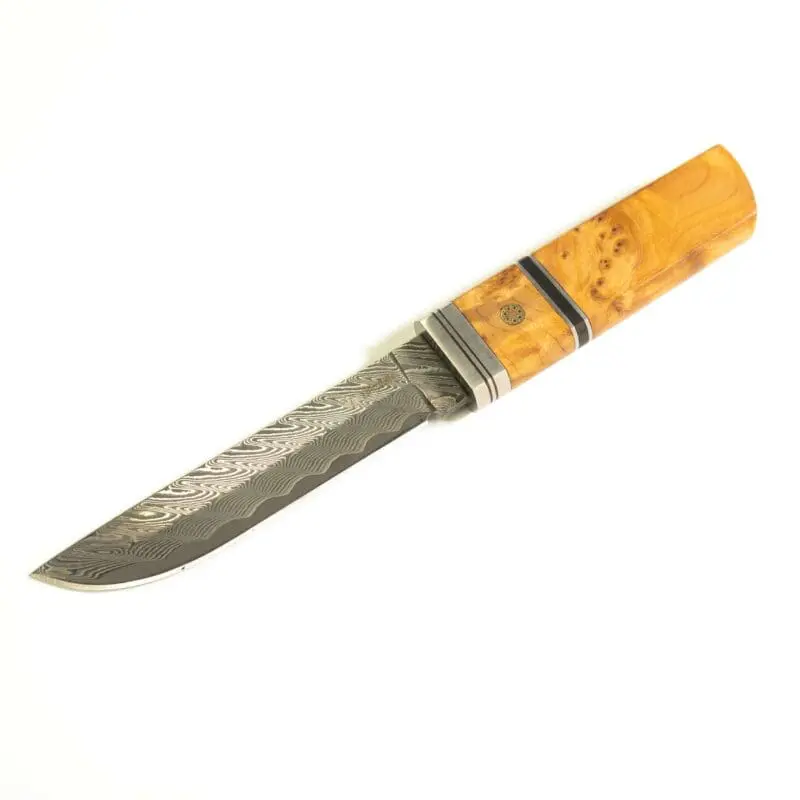
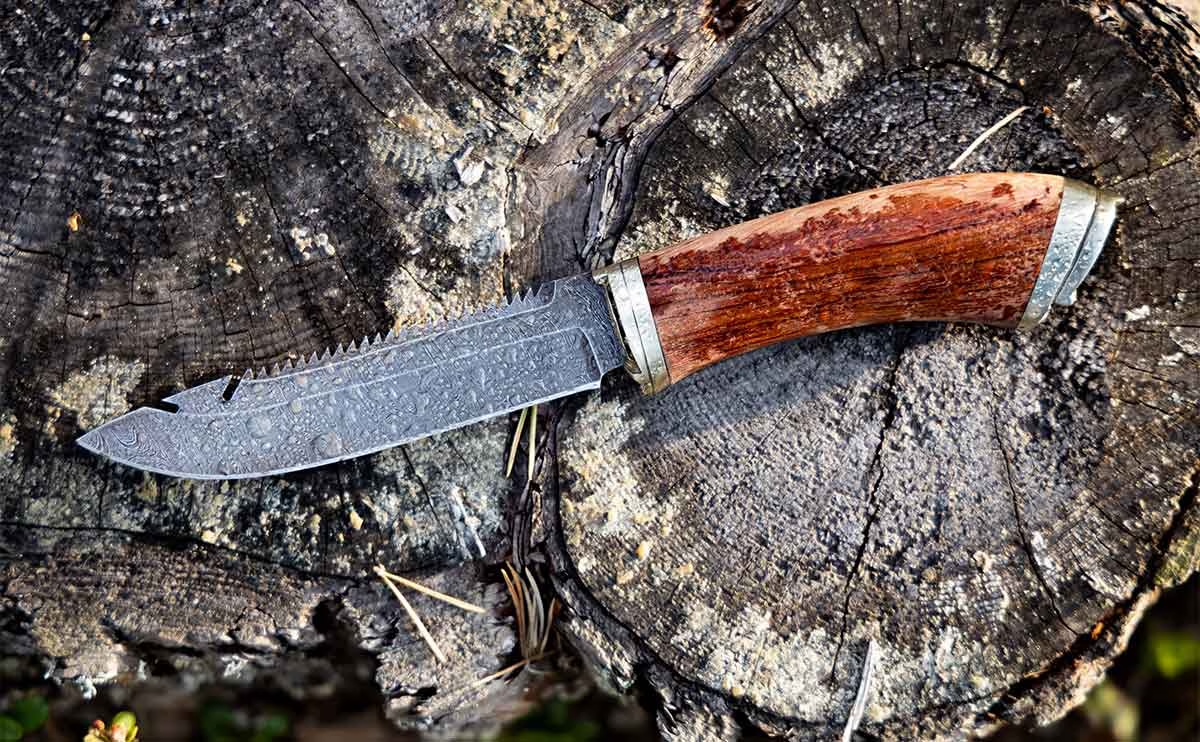
TOSAHWI Cuchillo de hoja fija de acero de Damasco hecho a mano con mango de madera de sombra blanca
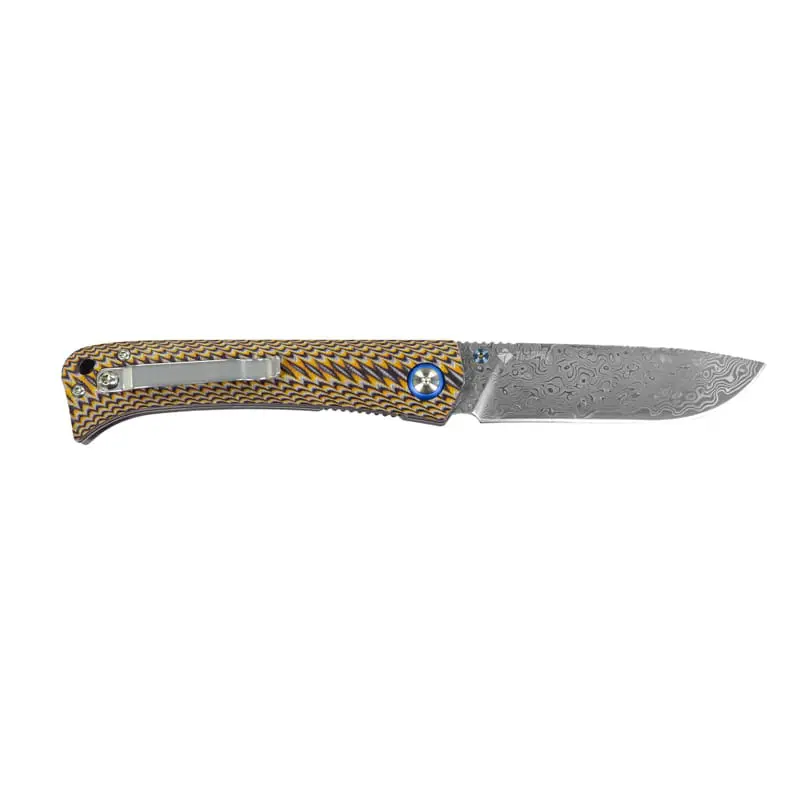
TOSAHWI Navaja de bolsillo de acero de Damasco hecha a mano con mango de palisandro microgranulado
The Art of Damascus Steel Knife
Billet Preparation & Forge Welding
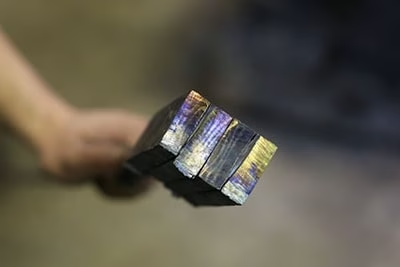
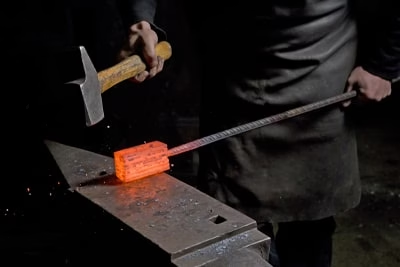
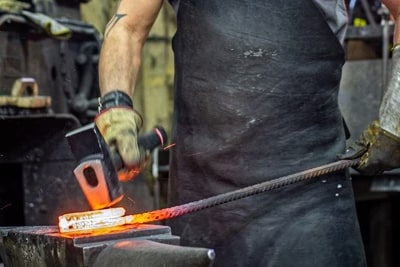
The process begins by stacking alternating layers of high-carbon and low-carbon steel to form the billet. This billet is then heated in a controlled furnace until it reaches the optimal forging temperature. While still red-hot, it is hammered to fuse the layers into a single, uniform block, ensuring exceptional strength and integrity.
Folding & Layering
To enhance the steel’s durability and create the signature Damascus patterns, the billet is drawn out, cut, and folded over itself multiple times. Each repetition increases the number of layers, refining the steel’s structure and enhancing its distinctive wavy patterns.
Shaping & Heat Treatment
Once the desired number of layers is achieved, the billet is shaped into the blade’s form through precision hammering and grinding. The heel and edge are refined to exact specifications, followed by a heat treatment process—oil quenching strengthens the steel, ensuring superior edge retention and resilience.
Etching & Finishing
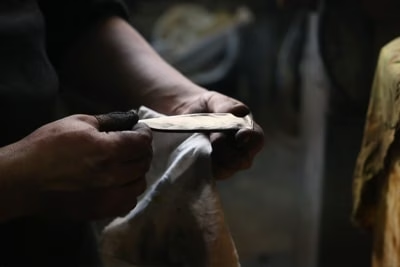
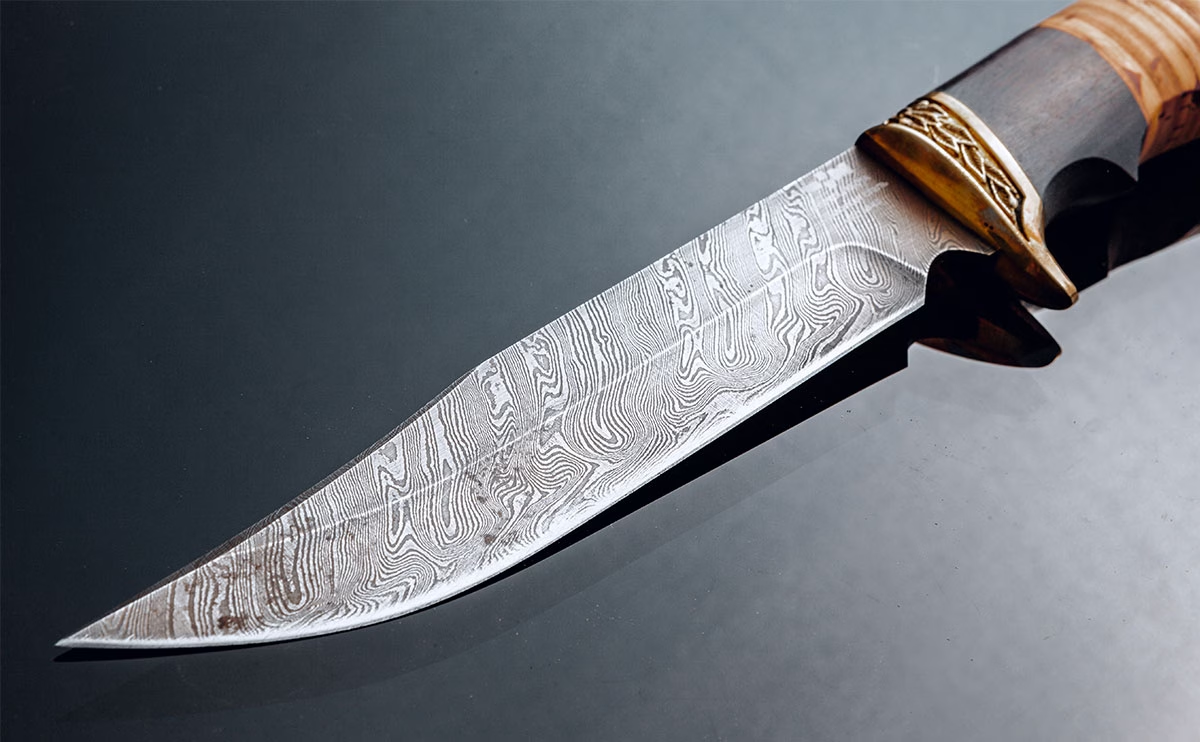
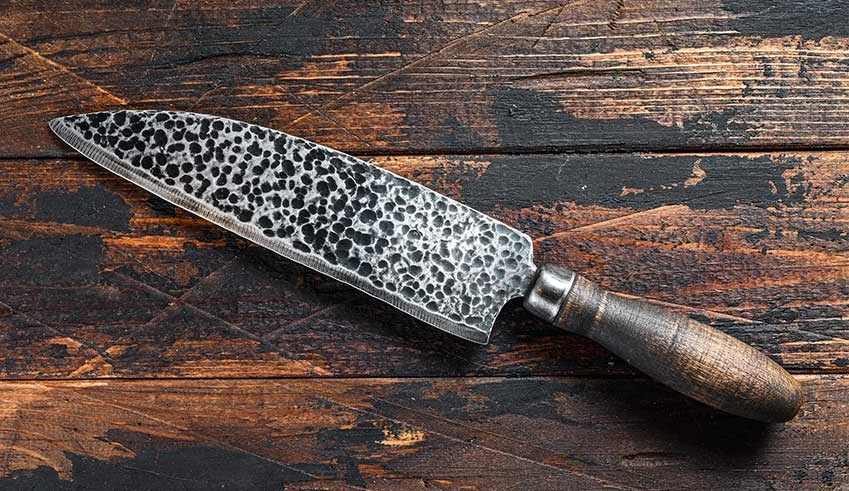
The final step involves honing and buffing the blade to perfection. To reveal the iconic Damascus pattern, the blade is immersed in an acid bath, which reacts with the layered steel to create striking contrasts. A neutralizing bath preserves the finish, resulting in a blade that is not only a work of art but a high-performance cutting tool.